Can you Drive to Peru?

You can drive to Peru via each of the neighboring countries of Bolivia, Brazil, Chile, and Ecuador. There are four major border crossings between Peru and Ecuador, one between Chile and Peru, one between Brazil and Peru, and three between Bolivia and Peru.
 
The border crossings between Peru and its neighbors range from desert crossings to mountain passes, each with merits and challenges. At the present time, it is not possible to drive to Peru from neighboring Colombia. Despite the two countries sharing a 1000-mile-long border, no roads cross through the dense jungle that covers the area. 

Where is Peru?

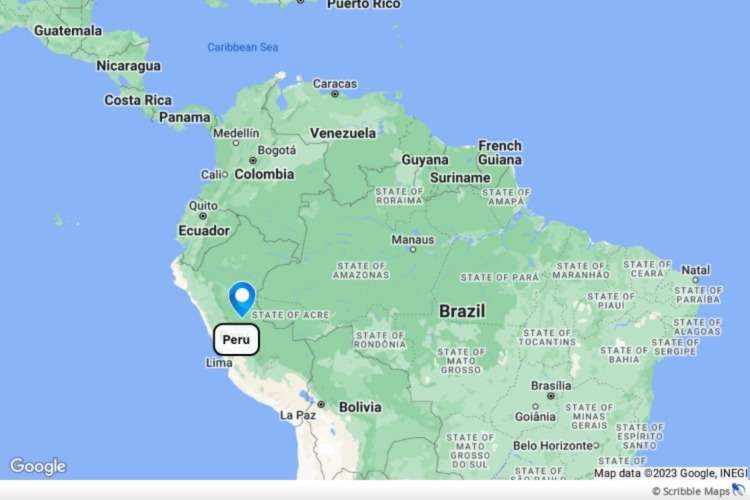
Peru is located along the western flank of South America. It is located just below the equator and shares borders with 5 other South American nations. You can read up on the countries geography and find more information in our Peru country guide.

Map showing the location of Peru

How to get to Peru

Peru shares borders with five other South American countries, ensuring many different ways to get to and from the country. And the great news is you can get to Peru by road, air or boat. We’ll take a look at all the different options below. 

Road – You can drive to Peru from four of the five bordering countries. The only exception is Colombia, as no roads pass through the dense jungle that permeates the area. 

Bolivia -You can take three road border crossings between Peru and Bolivia. The first two of these are at Desaguadero (for La Paz) and Yunguyo (for Copacabana) on the southern side of Lake Titicaca. The third crossing is north of the lake between Tilali in Peru and Puerto Acosta in Bolivia.

Brazil – In the far east of Peru, there is a good paved road and border crossing with Brazil. Known as the Iñapari Border Crossing, you can cross from the Peruvian village of Iñapari to the Brazilian town of Assis, Brazil. It’s a long way from anywhere in Brazil or Peru, but that’s all part of the adventure, isn’t it?

Chile – Peru and Chile have a solitary road and border crossing. It’s generally known as the Tacna/Arica border because of the closest major towns in Peru and Chile, respectively. Traveling between the two cities on public bus takes 1.5  – 2 hours, including the border crossing.

Ecuador – There are four significant crossings between Ecuador and Peru. The busiest and most accessible is close to the coast, known as the Aguas Verdes crossing. It’s situated between Huaquillas in Ecuador and Tumbes in Peru. Heading east, the next border is the Cruce Fronterizo Lalamor border between Lalamor in Ecuador and El Alamor in Peru. The mountainous La Tina border between Macará in Ecuador and Sullana in Peru follows it. The most eastern border crossing is at La Balsa, between the Zumba in Ecuador and San Ignacio in Peru.

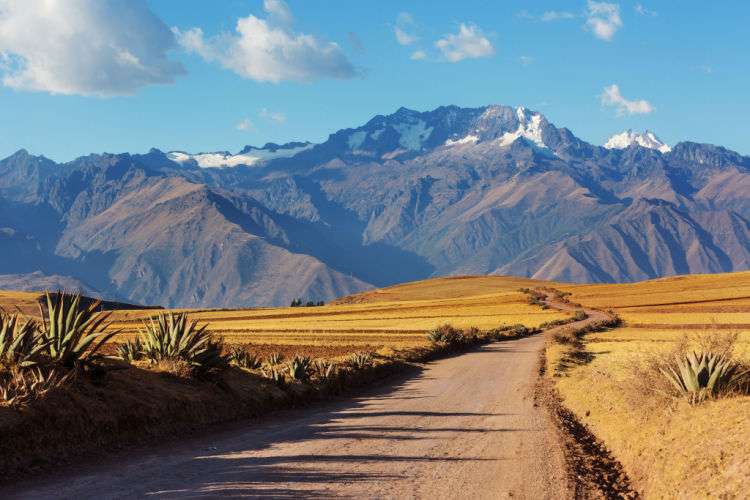
Dirt road approaching the mountains in Peru
The quality of Peru's roads vary dramatically but they mostly provide amazing scenery.

Boat – It’s possible to travel to Peru by boat from Colombia, Bolivia, and Brazil. The easiest crossing is from Bolivia, with several different ferry and catamaran services making the crossing across Lake Titicaca. From Colombia, you have the option of the fast boat or the slow boat from Leticia in Colombia to Iquitos in Peru. The fast boat takes around 10 hours, while the slow boat takes up to 3 days. The final option is a series of ferries along the Amazon River traveling west from Brazil into Peru. Should you be so inclined, you can sail all the way from Manaus in Brazil to Iquitos in Peru.

Air – Peru has 5 international airports in Lima, Cusco, Chiclayo, Arequipa, and Trujillo. The country is well served by international flights from other South American countries and long-haul flights from North America and Europe. Flights from Asia, Australasia, and Africa typically require a transfer. 

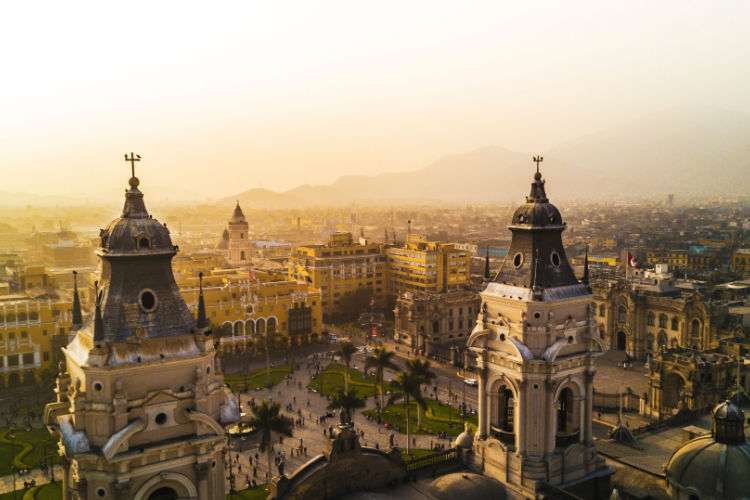
Lima in Peru at sunset
Peru's capital city of Lima has a raft of impressive historic buildings.

Can you Drive in Peru?

You can drive in Peru as long as you’re 18 years old, hold a valid driving license in your home country, and have an international driving permit. If you’re bringing your vehicle, you’ll also need your vehicle registration documents/proof of ownership and proof of insurance. 

Driving in Peru isn’t for the faint-hearted. While there are some excellent highways in the country, road conditions, and traffic can be much more challenging in the cities, mountains, and rural areas. You should also exercise caution when driving on remote roads and try to avoid driving at nighttime if possible. 

Can you Drive to Peru from the U.S?

It is possible to drive to Peru from the U.S. via Central America, Colombia, and Ecuador. However, there is a caveat: you can only cross between Panama and Colombia by shipping your car on a freight ship. The border region between the two countries is known as the Darién Gap and is an impenetrable jungle area with no through roads. There’s more information in our Driving to South America blog post. Aside from this one break, you can follow the Trans-American Highway from Alaska to the southern tip of South America.

Related Content

North America Guide

South America Guide

Europe Guide

Asia Guide

Australasia Guide

Africa Guide

Latest Blog Posts

Can you Drive to Morocco?

You can drive to Morocco from the neighboring countries of Spain and Mauritania, but not Algeria, despite a nearly 2000 km long border between the two countries. Travel between Morocco and any of its neighbors comes with its fair share of challenges. At first glance, you could be mistaken for

10 Best National Parks in Western Australia

If you love solitude, amazing landscapes, and vast open spaces, you’re going to love Western Australia. This amazing land, and the northwest in particular, is often referred to as the ‘Last Frontier’. It’s a land of endless remote possibilities and nowhere showcases this better than the amazing array of national

17 Best Things to do in Vlore

The Albanian port city of Vlore is one of Albania’s spectacular coastal highlights. Situated at the northern end of the Albanian Riviera and overlooking the beautiful Bay of Vlore, the city is blessed with a wealth of attractions. The home of Albanian independence and the gateway to the Riviera, the

Mastodon