Can you Drive to Nunavut?

You cannot drive directly to Nunavut in Canada due to the lack of permanent roads in the Territory. There are no road connections with neighboring Manitoba, the Northwest Territories, or any other part of Canada, making road travel impossible. The area’s remote location, sparse population, challenging geography, and harsh climate make building and maintaining a road system completely unfeasible. Almost all visitors to Nunavut choose to travel by air or sea instead. However, in very limited circumstances, traveling to parts of Nunavut may be possible using temporary winter roads, but only at very specific times of the year.

While no permanent roads connect Nunavut to the rest of Canada, some winter roads and ice roads are constructed during the colder months. These temporary roads are built over frozen bodies of water and tundra, allowing for limited vehicle access to certain areas within Nunavut. However, these roads are not permanent and are subject to seasonal weather and ice conditions. 

Where is Nunavut Located?

Nunavut is a territory located in the northern part of Canada. It is situated in the Arctic region and encompasses a significant portion of the Canadian Arctic Archipelago and a part of the mainland. The Northwest Territories border Nunavut to the west with the province of Manitoba to the south. It also shares maritime borders with Greenland (an autonomous territory of Denmark) to the northeast.

Nunavut’s capital is Iqaluit, located on Baffin Island, one of the largest islands in the Canadian Arctic Archipelago. Nunavut covers a vast and remote area characterized by its harsh Arctic climate, vast tundra landscapes, and numerous islands and waterways.

How to get to Nunavut

Nunavut’s remote location, challenging geography, and lack of travel infrastructure make it one of the more challenging destinations to reach in Canada. That being said, if you have enough time, money, and determination, you can still reach all but the most remote areas in the territory. 

Land

Nunavut is the only Canadian Province or Territory to not have any road connections with the rest of Canada. While there are estimated to be 530 miles of roads in the Territory, none of these are connected to the main Canadian road system. This makes driving there impossible outside of the winter months when the ice roads are built.

During the harsh winter months, some ice and winter roads are constructed. The best known of these is the Tibbitt to Contwoyto Winter Road. Constructed annually and open for around 10 weeks per year across February and March, it primarily services a number of prominent mines in the area. 

Sea

It is only possible to access Nunavut via sea during the open water season, from July to September. Outside this period, the waters are too dangerous or frozen to traverse. Several tour companies provide annual cruise opportunities in the area. They typically travel to the Northwest Passage, Hudson Bay, and High Arctic regions. No ferry services operate in the area. 

Air

Nunavut is readily accessible by air, and flying to the Territory is the number one way to travel. There are several airports in Nunavut, with the main airport being Iqaluit Airport (YFB) in the capital city, Iqaluit. Many other communities in Nunavut also have airports that provide air travel options.

Major Canadian airlines such as Air Canada, Canadian North, and other regional carriers operate flights to Nunavut from various cities in southern Canada. These flights connect major airports in southern Canada, such as Toronto, Montreal, Ottawa, Edmonton, and Winnipeg, to airports in Nunavut. The flight routes and schedules vary depending on the airline and the time of year, with more flights available from July to September in the summer.

Inukshuks in Nunavut
Inukshuks are a common feature of the Nunavut landscape.

Why are There no Roads in Nunavut?

There are many reasons why Nunavut lacks an extensive road network, but the most significant of these is the harsh Arctic climate. The permafrost, heavy snowfall, and extremely harsh winters make building and maintaining a road network extremely difficult and costly.

The area’s limited population and economic activity also deter road development as the Canadian government wouldn’t see much return on its investment. Lastly, Nunavut’s communities’ remote and isolated location is another problem. Most communities are located on islands or along the coast, making constructing a road network even more difficult.  

Best Things to see and do in Nunavut

The reasons that make Nunavut such a difficult area to travel to are the same reasons you should visit. The area’s remote location, pristine landscape, and amazing nature make it a truly unique destination. The following are many of the best things to see and do in Nunavut. 

Northern Lights (Aurora Borealis)

Nunavut is one of the prime places to witness the mesmerizing dance of the Northern Lights. The clear Arctic skies during winter provide an excellent opportunity to experience this natural phenomenon.

Arctic Wildlife

Nunavut is home to a wide variety of Arctic wildlife, including polar bears, Arctic foxes, caribou, seals, whales, and a wide range of bird species. While these animals aren’t always easily found, visitors can take wildlife tours to see them in their natural habitats.

National Parks and Reserves

Nunavut has some excellent national parks that are seldom visited. Sirmilik National Park, Auyuittuq National Park, and Quttinirpaaq National Park offer unparalleled landscapes. You’ll encounter glaciers, fjords, mountains, and vast tundra within the parks. These parks are excellent destinations for hiking, wildlife watching, and taking in Nunavut’s pristine natural beauty.

Midnight Sun

During the summer months, Nunavut experiences the midnight sun phenomenon. During this period, the sun remains visible throughout the night. Not only is this unique natural occurrence an amazing experience, but it also allows for extended periods of exploration and outdoor activities.

Historical Sites

A surprising number of historical sites in Nunavut showcase the area’s history of exploration and indigenous culture. Some of the best sites include the ruins of Hudson’s Bay Company trading posts, Thule archaeological sites, and traces of early Inuit settlements.

Boat Tours

Taking a boat tour is an excellent way to experience Nunavut and explore the area’s coastal landscapes, glaciers, and icebergs. Some tours also offer the chance to see marine wildlife, including whales and seals.

Inukshuks

These iconic stone structures and landmarks are scattered across Nunavut’s vast landscapes. They have significant cultural and navigational importance. The structures serve as both landmarks and symbols of the North.

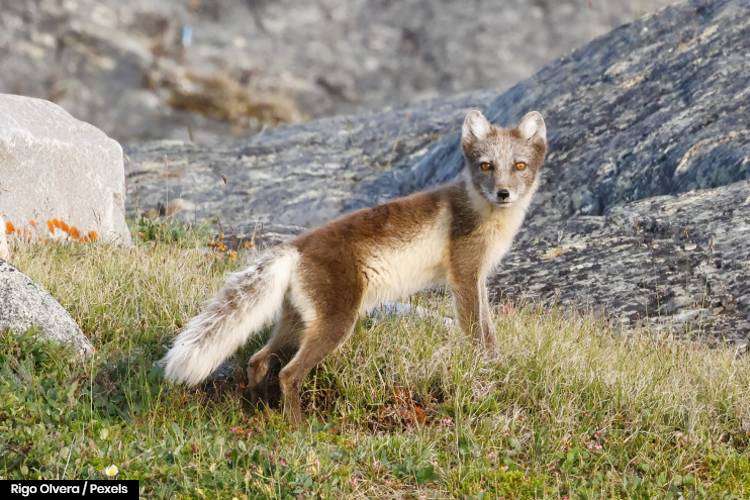
Arctic fox in Nunavut
Nunavut is home to a wealth of animals including the Arctic Fox.

Best Time to Visit Nunavut

By and large, the best time to visit Nunavut is during the summer months. The weather is mild, more flights are available, and sea routes are ice-free and accessible. Inevitably, this also makes it the most popular time to visit, which can limit the availability of accommodation and increase travel and hotel costs.

While the summer remains the optimal time to visit, it’s not the only time you should consider visiting. Attractions such as the Aurora Borealis are only viewable during the winter months, and the landscape of Nunavut transforms by season.

Here’s a summary of what to expect in Nunavut during each season:

  1. Summer (June to August): This is the most popular time to visit Nunavut. The weather is relatively mild, and many outdoor activities are accessible. The summer also brings the midnight sun, providing long daylight hours for exploration. Wildlife is more active, and boat tours are available to see icebergs, whales, and other marine life. This is also the time for most cultural festivals and events.

  2. Fall (September to October): Fall can be a great time for witnessing the changing colors of the tundra and the possibility of seeing the Northern Lights as the nights grow darker. It’s a quieter time with fewer tourists, making it ideal for those seeking solitude and unique experiences.

  3. Winter (November to February): While the winters are harsh and extremely cold, this is the best time for experiencing the Northern Lights due to the long nights. You can also engage in winter activities like dog sledding and snowmobiling. However, be prepared for severe weather conditions.

  4. Spring (March to May): Spring transitions from winter to summer. The days start getting longer, and the frozen landscapes begin to thaw. This can be a good time for photographers and those interested in the changing Arctic environment.

Related Content

Can you Drive to Alaska?

Seattle to North Cascades

Can you Drive to Juneau Alaska?

Vancouver to Cabo Road Trip

Can you Drive to Sitka Alaska?

Best National Parks to Visit in June

Latest Blog Posts

Can you Drive to Morocco?

You can drive to Morocco from the neighboring countries of Spain and Mauritania, but not Algeria, despite a nearly 2000 km long border between the two countries. Travel between Morocco and any of its neighbors comes with its fair share of challenges. At first glance, you could be mistaken for

10 Best National Parks in Western Australia

If you love solitude, amazing landscapes, and vast open spaces, you’re going to love Western Australia. This amazing land, and the northwest in particular, is often referred to as the ‘Last Frontier’. It’s a land of endless remote possibilities and nowhere showcases this better than the amazing array of national

17 Best Things to do in Vlore

The Albanian port city of Vlore is one of Albania’s spectacular coastal highlights. Situated at the northern end of the Albanian Riviera and overlooking the beautiful Bay of Vlore, the city is blessed with a wealth of attractions. The home of Albanian independence and the gateway to the Riviera, the

Mastodon