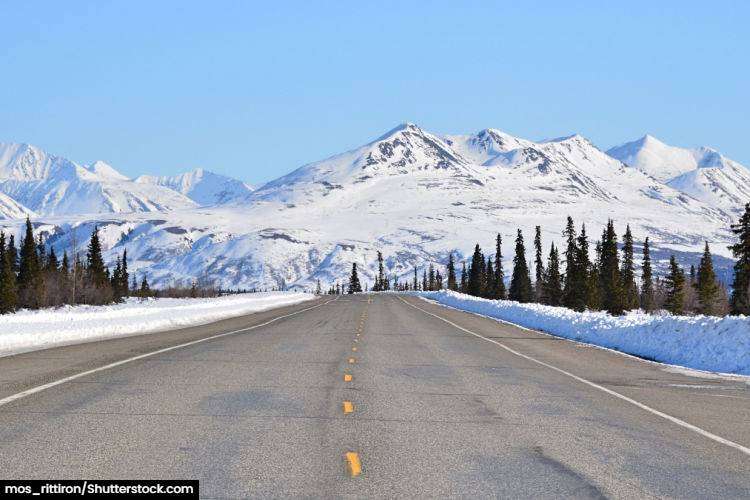
Can you Drive to Fairbanks Alaska?

You can drive to Fairbanks, Alaska, from other locations in Alaska and further afield, such as Canada and the Contiguous United States. Fairbanks’ location in the central part of Alaska makes it a significant travel and transport hub. The city has excellent road connections with other major cities in Alaska. It connects with Prudhoe Bay to the north via the Dalton Highway (Highway 11), Anchorage to the south via the George Parks Highway (Highway 3), and Delta Junction to the east via the Richardson Highway (Highway 2).

The connection with Delta Junction is particularly important, as this is where the Alaskan Highway begins for southbound travelers (and ends for northbound travelers). You can take the Alaskan Highway to Dawson Creek in Canada from Delta Junction. From there, you can drive to the major cities in Canada and the Contiguous United States. This means that while the distances are significant, driving to Fairbanks, Alaska, is possible from the USA, Canada, and other Alaskan cities.

Where is Fairbanks Located in Alaska?

Fairbanks, Alaska, is located in the interior region of the state. It is situated in the central part of Alaska, approximately 358 miles north of Anchorage, the largest city in the state. Fairbanks is surrounded by vast wilderness, with the Alaska Range to the south and the White Mountains to the north. Fairbanks’ population of 32,702 makes it the second-largest city in Alaska. 

How to get to Fairbanks in Alaska

Fairbanks’ location in the interior of Alaska sets it apart from many other Alaskan destinations. Most other major cities and communities are situated along the coast and are primarily accessed by sea and air. On the other hand, Fairbanks is one of the few locations where overland travel is the most common way to get there. However, not all travel to Fairbanks must be by road, and you have the following travel options. 

Land

Slap bang in the middle of Central Alaska, Fairbanks, is a major travel and transportation hub. The city has great road links to the north, south, and east. To the west lies a vast wilderness only accessible by plane or dog sled.

When traveling to or from Fairbanks by road, you have the following options:

To/From Anchorage: The most direct route is to drive on the George Parks Highway (Highway 3). This scenic drive takes you through beautiful landscapes, including the Denali National Park and Preserve. The distance between Anchorage and Fairbanks is approximately 360 miles, and the drive takes about 6-8 hours.

To/From Delta Junction: If you are coming from the southeast or have driven on the Alaska Highway, you can connect to the Richardson Highway (Highway 2) at Delta Junction. From there, it’s about 100 miles north to Fairbanks, which takes around 2 hours.

To/From Prudhoe Bay: The Dalton Highway (Highway 11) is a remote, rugged road that starts near Livengood, just north of Fairbanks. Truckers and adventurous travelers mostly use this highway. If you are driving to the north, you can take the Dalton Highway to reach Prudhoe Bay on the Arctic Ocean.

Water

Fairbanks’s location in Central Alaska is far from the coast and the Alaska Marine Highway Service. While Fairbanks is positioned near the confluence of the Tanana and Chena Rivers, there’s currently no way of traveling to the city by river. 

Air

Fairbanks in Alaska is well served by Fairbanks International Airport (FAI). The airport offers flights operated by various U.S. airlines, including Alaskan, Delta, United, JetBlue, and American Airlines. Frequent destinations include other cities in Alaska, such as Anchorage, Juneau, and Ketchikan. There are also regular international connections to Canada and flights to the Continental United States. The Pacific Northwest is particularly well served, with Seattle operating as a hub for the region. 

Aerial View of the Fairbanks, Alaska Skyline during Summer
The size and cosmopolitan nature of Fairbanks often surprises visitors.

How Far is the Drive to Fairbanks?

Fairbanks’s central location means it’s reachable from many different destinations. This doesn’t mean it’s easy to reach, and the table below illustrates the significant distances and driving times involved. Despite the challenge of reaching Fairbanks, we think it’s worth the time and effort. 

Starting Point

Destination

Distance

Drive Time

Anchorage

Fairbanks

360 miles

6 hours

Prudhoe Bay

Fairbanks

496 miles

11 hours

Haines

Fairbanks

640 miles

11 hours 45 minutes

Dawson’s Creek

Fairbanks

1460 miles

26 hours 

Seattle

Fairbanks

2146 miles

39 hours

Best Things to see and do in Fairbanks Alaska

Fairbanks is a popular destination in Alaska, aided by good direct road connections. The city’s respectable size means that there are plenty of attractions within the city as well as in the surrounding great outdoors. The following are some of the very best things to do when visiting Fairbanks:

  1. Northern Lights Viewing: Fairbanks is one of the best places in the world to witness the mesmerizing Northern Lights (Aurora Borealis). Visit during winter, particularly from September to April, for your best chance to see this natural phenomenon.

  2. Riverboat Discovery Cruise: Take a cruise on the Chena and Tanana Rivers aboard the Riverboat Discovery. This authentic sternwheeler boat offers insights into the region’s history, culture, and wildlife. You can visit an Athabascan Indian Village, witness a bush plane takeoff, and even see sled dog demonstrations.

  3. Pioneer Park: Explore Pioneer Park, a historic theme park that showcases Fairbanks’ pioneering days. The park features museums, historic buildings, a carousel, mini-golf, and picnic areas. It’s a great place to learn about the city’s heritage and enjoy outdoor activities.

  4. University of Alaska Museum of the North: Visit this renowned museum on the University of Alaska Fairbanks campus. It exhibits Alaska’s diverse natural and cultural history, including displays of indigenous cultures, wildlife, and geological wonders.

  5. Morris Thompson Cultural and Visitors Center: Learn about Alaska’s diverse cultures and traditions at this center, which houses exhibits, art galleries, and interactive displays. You can also obtain information on local attractions and events from the knowledgeable staff.

  6. Creamer’s Field Migratory Waterfowl Refuge: Nature lovers will enjoy exploring this wildlife refuge, home to various bird species, including migratory waterfowl. Hiking trails and interpretive signs allow you to immerse yourself in the beauty of the Alaskan wilderness.

  7. Chena Hot Springs: Take a day trip to Chena Hot Springs, about an hour’s drive from Fairbanks. Relax in the natural hot springs, go on a guided tour, or take a dog sled ride during winter. It’s a popular spot for rejuvenation and outdoor adventures.

  8. Fairbanks Ice Museum: Discover incredible ice sculptures and learn about the art of ice carving at the Fairbanks Ice Museum. The museum showcases intricate ice artwork and offers demonstrations by expert ice sculptors.

Scenic Highway in Alaska
All roads lead to Fairbanks with it's central location in the interior of Alaska.

Best Time to Visit Fairbanks Alaska

The best time to visit Fairbanks, Alaska, is dictated by the experiences you seek and your preferences for weather and activities. Undoubtedly, the winter and the summer are the two best seasons to visit. Both seasons showcase the best (and worst) of the Alaskan climate. Here’s what to expect in each season:

  1. Winter (December to February): Fairbanks is famous for its cold winters, which offer unique opportunities such as witnessing the Northern Lights and enjoying various winter sports. Winter brings long nights and ideal conditions for viewing the Aurora Borealis. Fairbanks hosts several winter festivals and events, including the World Ice Art Championships. However, be prepared for extremely cold temperatures, with average lows ranging from -10°F to -20°F.

  2. Summer (June to August): Fairbanks experiences mild and pleasant summers, with average temperatures ranging from 60°F to 75°F (15°C to 24°C). The extended daylight hours provide ample time for outdoor activities such as hiking, fishing, and river cruises. The summer months are also a great time to explore the region’s national parks, such as Denali National Park and Preserve, which offer breathtaking landscapes and abundant wildlife. Additionally, summer brings various events and festivals, including the Midnight Sun Game, where baseball is played under the midnight sun.


So, if you’re coming for the snow and the real Alaskan experience, visit during the winter. If you prefer your weather warmer and you can live without the snow, be sure to visit during the peak summer months. 

Related Content

Can you Drive to Alaska?

Seattle to North Cascades

Can you Drive to Juneau Alaska?

Vancouver to Cabo Road Trip

Can you Drive to Vancouver Island?

Best National Parks to Visit in June

Latest Blog Posts

Can you Drive to Morocco?

You can drive to Morocco from the neighboring countries of Spain and Mauritania, but not Algeria, despite a nearly 2000 km long border between the two countries. Travel between Morocco and any of its neighbors comes with its fair share of challenges. At first glance, you could be mistaken for

10 Best National Parks in Western Australia

If you love solitude, amazing landscapes, and vast open spaces, you’re going to love Western Australia. This amazing land, and the northwest in particular, is often referred to as the ‘Last Frontier’. It’s a land of endless remote possibilities and nowhere showcases this better than the amazing array of national

17 Best Things to do in Vlore

The Albanian port city of Vlore is one of Albania’s spectacular coastal highlights. Situated at the northern end of the Albanian Riviera and overlooking the beautiful Bay of Vlore, the city is blessed with a wealth of attractions. The home of Albanian independence and the gateway to the Riviera, the

Can you Drive to Tuktoyaktuk?

You can drive to remote Tuktoyaktuk on the Arctic Ocean using the Inuvik-Tuktoyaktuk Highway, also known as the “Mackenzie Highway” or “Tuk Highway.” The road provides access to Tuktoyaktuk from Inuvik in the Northwest Territories. Inuvik is accessible from mainland Canada by using the Dempster Highway, which runs all the

Can you Drive to Gasparilla Island?

It’s possible to drive to beautiful Gasparilla Island from the nearby Florida mainland using a bridge known as the Boca Grande Causeway. The causeway connects the unincorporated community of Placida on the mainland to the northern tip of Gasparilla Island, allowing vehicles to access the island. There’s a $6 round

Can you Drive to Guyana?

You can drive to Guyana but only from one of the three South American countries with a common land border. The border crossing with neighboring Brazil in the southwest of Guyana is currently the only open crossing. However, it is located in a very remote region. There are currently no

Mastodon